How Nankipooh’s Summer Humidity Impacts Your Roof’s Decking and Ventilation
How Nankipooh’s Summer Humidity Impacts Your Roof’s Decking and Ventilation
For homeowners in Nankipooh, the arrival of summer brings more than just backyard barbecues and trips to the lake; it brings a heavy, persistent humidity that defines the Georgia climate. While we often focus on how this moisture affects our comfort and cooling bills, we rarely consider what it is doing to the hidden components of our homes. Your roof is your first line of defense against the elements, but the combination of intense heat and high moisture levels can create a silent crisis within your attic.
When humidity is trapped in a poorly ventilated space, it doesn't just sit there it attacks the structural integrity of your roof’s decking and compromises the effectiveness of your entire roofing system. Understanding the relationship between Nankipooh’s tropical summers and your roof's internal health is the first step in avoiding "hidden" rot and premature roof failure. This guide explores how moisture infiltrates your roofing components and what you can do to ensure your home breathes properly during the most demanding months of the year.
The Science of Attic Humidity and Roof Decking
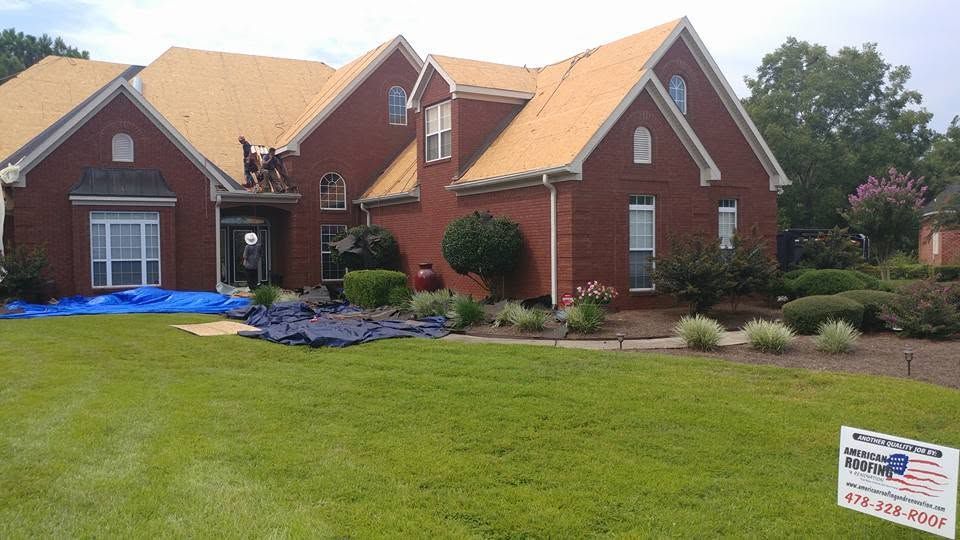
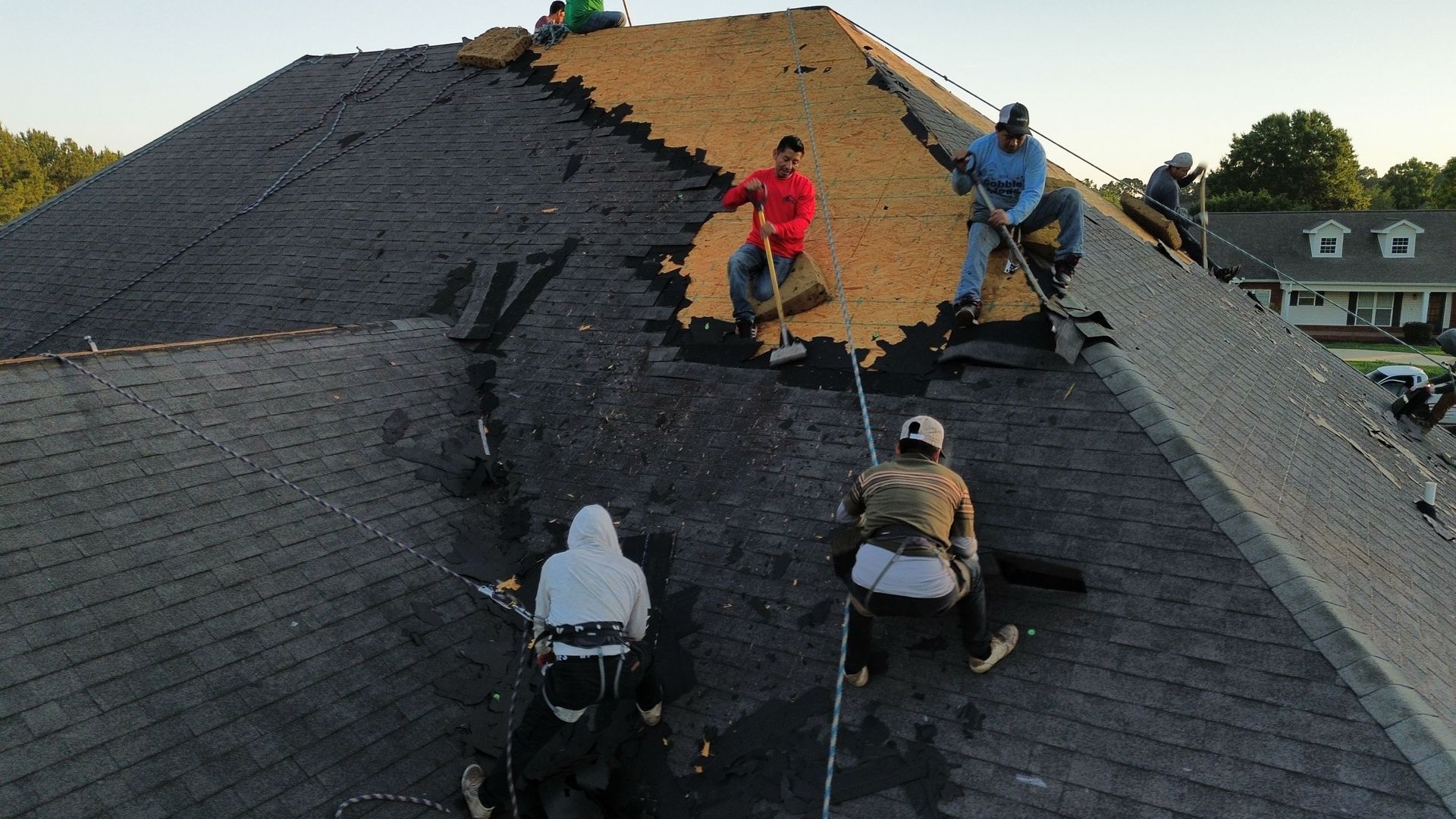
To understand the impact of humidity, we must first look at the "decking", the structural plywood or OSB (oriented strand board) sheets that are nailed to your rafters to provide a flat surface for your shingles. In a perfect world, this wood stays bone-dry. However, Nankipooh’s 90% humidity mornings mean the air is saturated with water vapor.
In an attic with poor airflow, this moist air enters through small gaps or naturally migrates upward from the living space. When that warm, moist air hits the underside of the roof decking, which may be slightly cooler due to evening temperature shifts, it reaches its "dew point" and turns into liquid water. This is known as interstitial condensation. Over a single summer, this repeated dampening of the wood leads to several structural issues:
- Wood Rot: Constant moisture allows fungi to grow, which eventually eats away at the wood fibers, making the decking soft and "spongy".
- Warping and Buckling: As the wood absorbs moisture, it expands; as it dries, it contracts. This cycle causes the boards to pull away from the nails or warp, creating an uneven surface for your shingles.
- Mold and Mildew: Beyond structural damage, damp decking is a breeding ground for mold, which can eventually find its way into your home's HVAC system and affect indoor air quality.
Why Ventilation is Your Roof’s Only Defense
The only way to combat the moisture-heavy air in Nankipooh is through a balanced ventilation system. Ventilation isn't just about letting heat out; it’s about creating a continuous "breath" for your home. A standard residential roofing system relies on two types of vents working in harmony:
- Intake Vents (Soffit Vents): Located under the eaves of your roof, these allow fresh, cooler air to enter the attic space.
- Exhaust Vents (Ridge or Gable Vents): Located at the highest points of the roof, these allow the rising hot, moist air to escape.
If your intake vents are blocked by insulation or if you don't have enough exhaust vents, the air becomes stagnant. In Nankipooh’s climate, stagnant air is synonymous with high-moisture air. Without this "chimney effect" pulling moisture out, your attic becomes a literal sauna, baking your decking from the inside out.
Real-World Signs of Humidity Damage in Georgia Homes
Because Nankipooh has a mix of older ranch-style homes and newer developments, the signs of humidity damage can vary. Homeowners should be on the lookout for these specific indicators:
- Dark Stains on Attic Rafters: If you see dark streaks or "tide marks" on the wood inside your attic, it’s a sign that condensation has been forming and soaking into the decking.
- Rusted Nails: Look at the tips of the nails protruding through the decking in your attic. If they are rusted or have "frosting" on them in cooler months, it confirms high humidity levels.
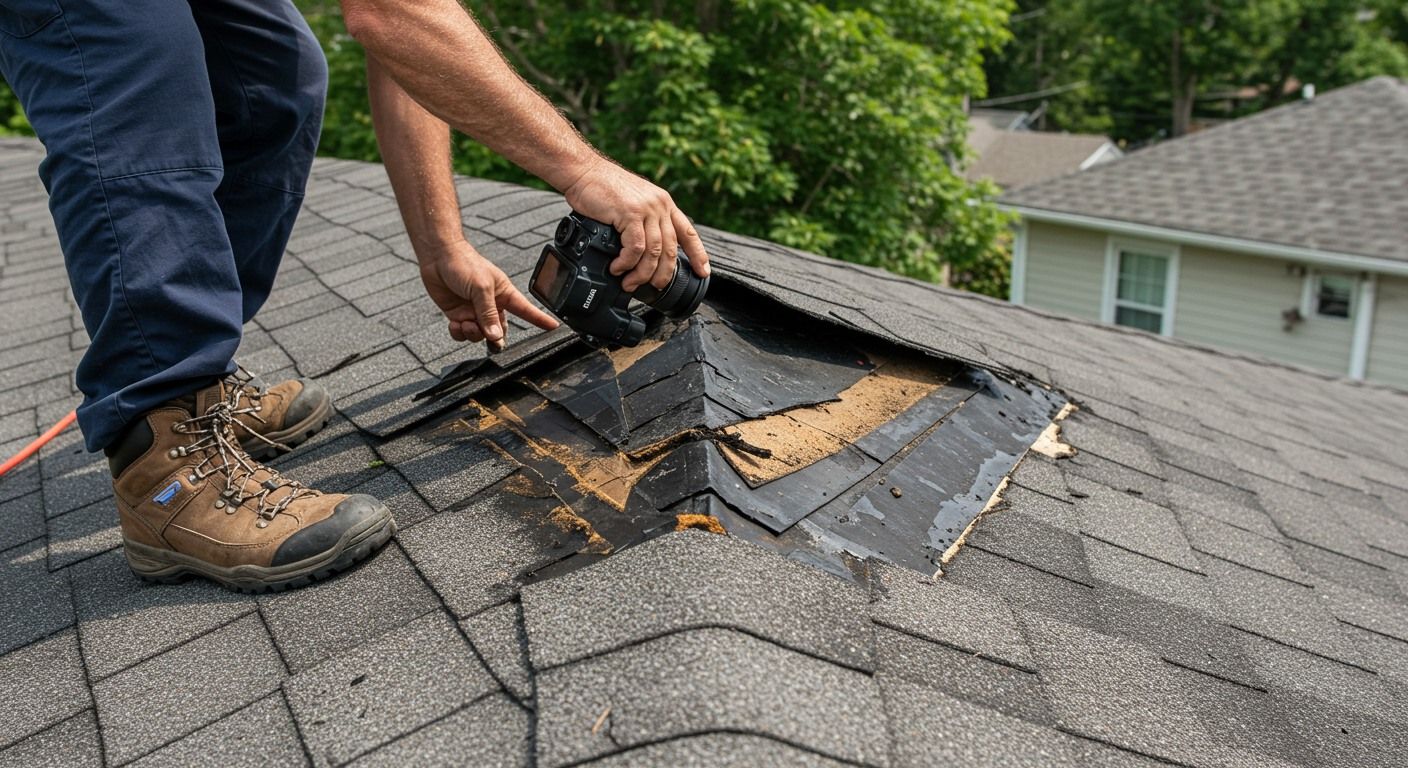
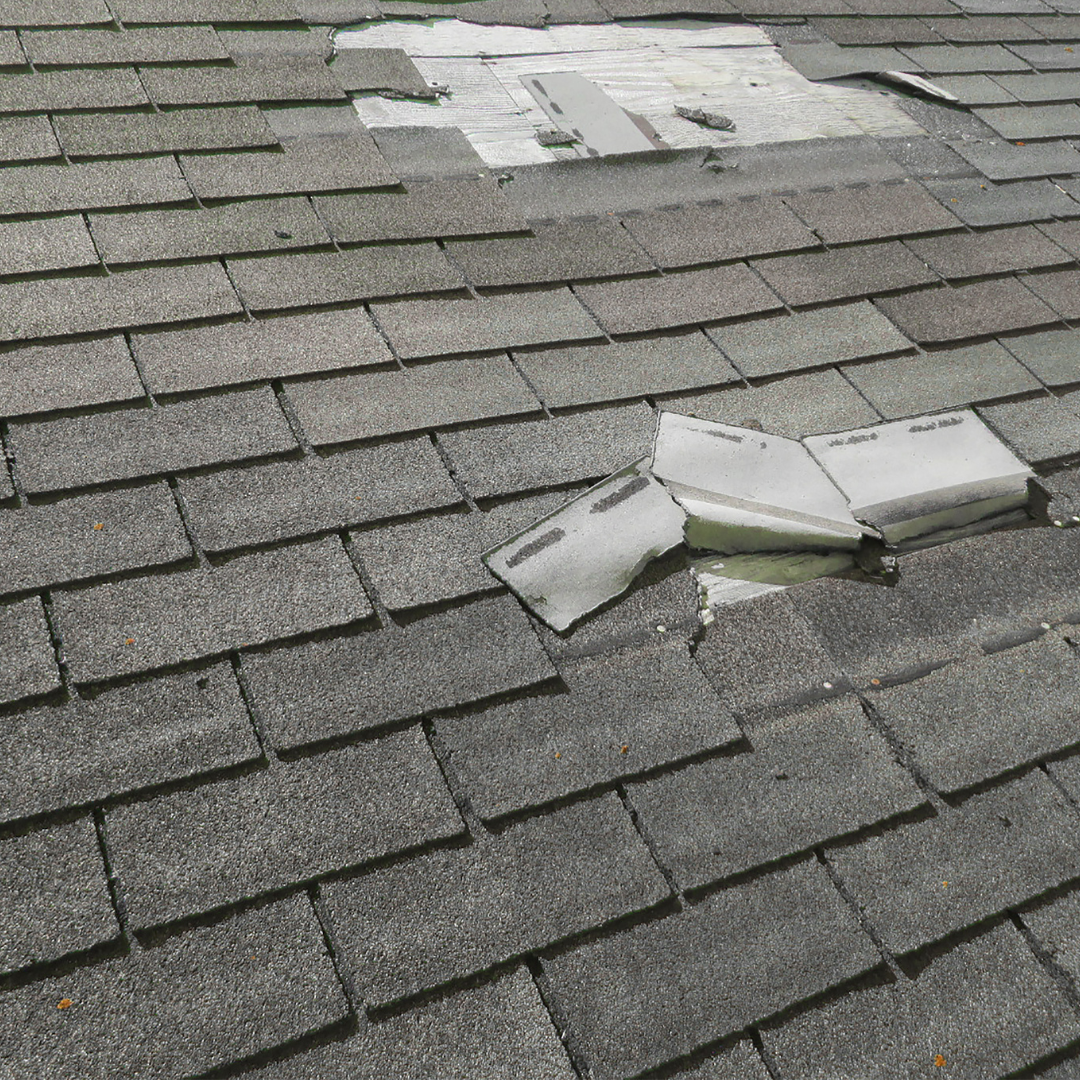
- "Wavy" Shingles: From the street, if your roofline looks uneven or the shingles appear to be "lifting" in a wave-like pattern, the decking underneath has likely buckled due to moisture absorption.
- Musty Smells: A heavy, earth-like odor when you open your attic hatch is a primary diagnostic sign of mold or mildew growth caused by trapped Georgia humidity.
The "Baking" Effect: Humidity and Shingle Life
It isn't just the wood decking that suffers. High humidity levels often go hand-in-hand with extreme attic temperatures, sometimes reaching 150°F or more. When heat and moisture are trapped together, it creates a "pressure cooker" environment.
This excessive heat transfers through the decking and directly into the underside of your shingles. This causes the asphalt binders in the shingles to dry out and become brittle much faster than intended, which is exactly Why Your Nankipooh Home Has Granule Loss. A roof designed to last 25 years in a well-ventilated home may only last 15 years in a home that can't escape the Nankipooh summer humidity.
Cost Considerations: Roof Repair and Maintenance vs. Structural Repair
Addressing ventilation issues is a matter of financial strategy.
- Preventative Upgrades: Adding a solar-powered attic fan or clearing blocked soffit vents is a relatively low-cost investment that can extend your roof's life by a decade.
- Decking Replacement: If you ignore humidity damage until the decking rots, the cost of your next roof replacement will skyrocket. Instead of just paying for new shingles, you will have to pay for the labor and materials to replace the entire structural "skin" of your home. In Nankipooh, where material costs fluctuate, replacing several sheets of rotted plywood can add thousands of dollars to a standard roofing quote.
When to Call a Professional
Ventilation is a delicate balance. Simply "adding more vents" isn't always the answer, as improperly placed vents can actually "short circuit" the airflow, causing more harm than good. You should Contact Us for a Free Ventilation Audit or consult a professional roofer if:
- You notice your AC is running constantly but your home still feels "stuffy."
- You see visible mold growth on any wooden surfaces in your attic.
- Your roof has "soft spots" that feel like they give way when walked on.
- You are planning a roof replacement and want to ensure your new system meets modern ventilation standards for the Georgia climate.
Conclusion
Nankipooh’s summer humidity is an unavoidable part of local life, but it doesn't have to be the downfall of your home’s roof. By ensuring your attic has the proper ventilation to exhaust moist air and protect your decking, you are making a long-term investment in the safety and efficiency of your property. Don't let a silent "attic sauna" bake away your roof's value.
If you’re concerned about how the Georgia heat is affecting your home, American Roofing & Renovation LLC is your local expert for a Residential Roofing Service in Nankipooh, GA. We specialize in identifying ventilation gaps and protecting your home from the inside out.
FAQ Section
Does a ridge vent work better than an attic fan in Nankipooh?
It depends on your roof's shape. Ridge vents provide consistent, passive airflow that is very effective for long, straight rooflines. However, in some Nankipooh homes with complex designs, an attic fan may be needed to mechanically "pull" the humid air out of dead zones.
Will improved ventilation lower my electric bill?
Yes. By allowing hot, moist air to escape the attic, your home's living spaces stay cooler. This reduces the load on your HVAC system, often leading to noticeable savings during the peak of the Georgia summer.
Can I just leave my attic door open to help it "breathe"?
No. This actually pulls the expensive, conditioned air from your home into the attic, making your AC work harder and potentially causing more condensation issues as the cold air hits the humid attic environment.
My insulation is touching the roof, is that a problem?
Yes. This is a major issue in many Nankipooh homes. If insulation blocks the space between the rafters at the eaves, it prevents fresh air from entering the soffit vents, effectively killing your roof's ventilation.
How often should I check my attic for moisture?
At a minimum, check twice a year: once at the peak of summer to check for heat/humidity issues, and once in winter to check for leaks or frost.