Post-Storm Checklist: What to Do After a Middle GA Hail Event
This is a subtitle for your new post
In Middle Georgia, we are no strangers to volatile weather. From the sudden afternoon thunderstorms in July to the sweeping spring fronts that roll through Houston County, our homes take a beating. Perhaps no weather event is more stressful for a homeowner than a significant hail storm.
Hail can vary from the size of a pea to the size of a baseball, but even "small" hail can cause significant structural damage when propelled by 60 mph winds. At American Roofing & Renovation, we’ve seen how quickly a localized storm can turn into a long-term headache. If you’ve just heard the terrifying sound of ice hitting your shingles, don't panic.
Follow this comprehensive, step-by-step checklist to protect your home, your family, and your investment.
Table of Contents
- Safety First: Immediate Post-Storm Actions
- The Ground-Level Inspection: What to Look For
- Documenting the Evidence for Insurance
- Understanding the "Hidden" Damage to Shingles
- Navigating the Insurance Claim Process
- Why Professional Inspection is Non-Negotiable
Safety First: Immediate Post-Storm Actions
Before you worry about shingles or gutters, ensure the safety of your household. Storms in Middle Georgia often bring downed power lines and weakened tree limbs.
- Check for Power Lines: Never walk near your home if a power line has been knocked down by a falling limb. Call Georgia Power or your local EMC immediately.
- Smell for Gas: If you have natural gas and smell a "rotten egg" odor, exit the home and call the authorities.
- Verify Interior Integrity: Check your attic and the ceilings of your top floor. If you see active leaks, place buckets to catch water and move electronics or furniture out of the way to prevent secondary damage.
The Ground-Level Inspection: What to Look For
You don’t need to climb a ladder to find signs of hail damage. In fact, for safety and insurance purposes, we recommend staying on the ground and using your smartphone camera. Hail rarely hits the roof alone; it leaves "calling cards" across your entire property.
1. Check the "Soft Metals"
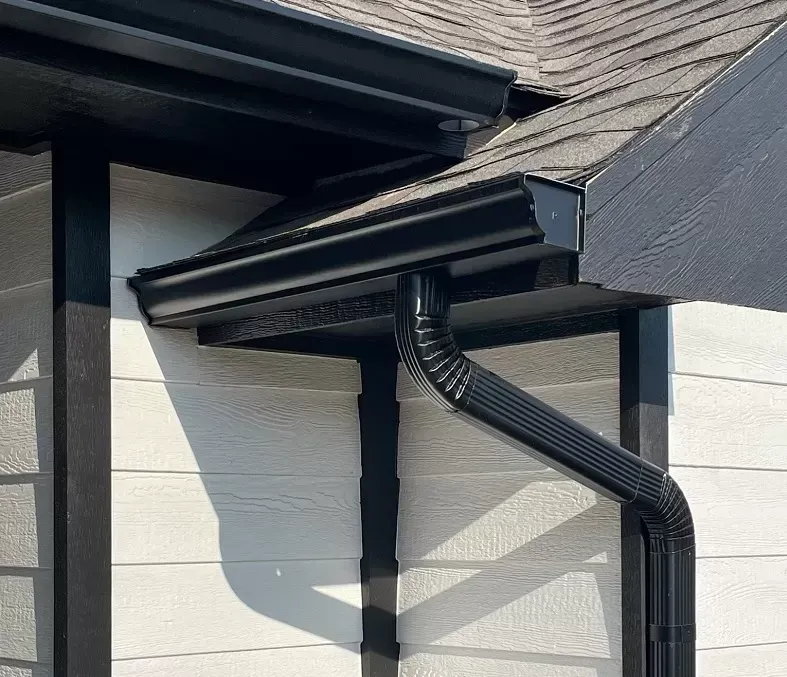
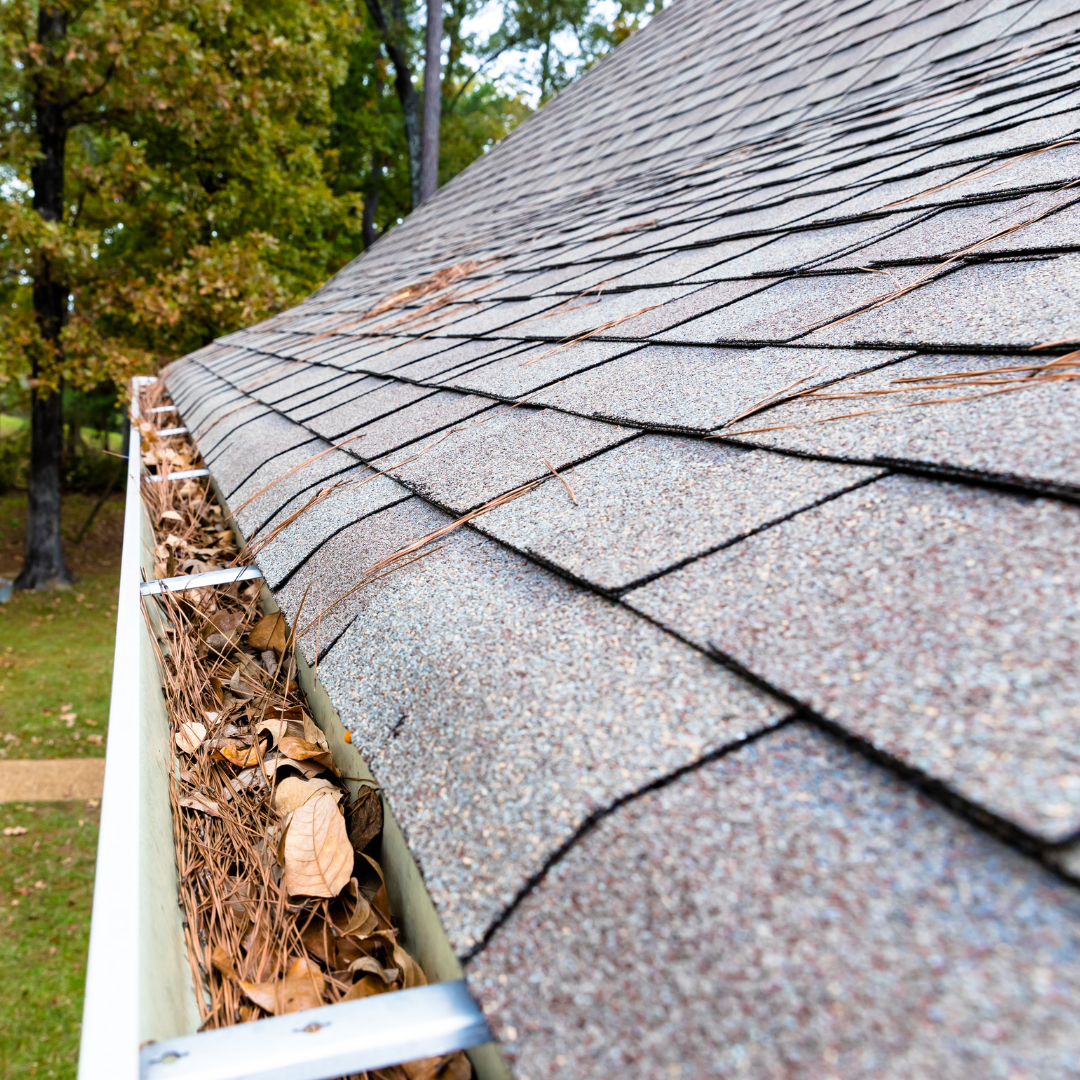
Look at your gutters, downspouts, and the metal flashing around your chimney. Because these are made of thinner metal, they show dings and dents more clearly than asphalt shingles. If your gutters look like they’ve been hit by a ball-peen hammer, your roof likely sustained similar impacts.
2. Inspect Your HVAC Unit
The delicate aluminum fins on your outdoor AC condenser are highly susceptible to hail. If the fins are flattened or dented, it can restrict airflow and lead to a premature system failure—this is often a covered insurance expense that homeowners overlook.
3. Look at Fences and Decks
If you have a wooden fence or deck, look for fresh "splatter marks." These are spots where the hail has knocked the stain or oxidation off the wood, leaving a bright, clean circle. This is a primary indicator of the size and density of the hail that hit your property.
4. Examine Window Screens and Siding
Tattered window screens or "stars" (small cracks) in vinyl siding are definitive proof of high-velocity hail.
Documenting the Evidence for Insurance
Insurance adjusters love data. The more evidence you can provide, the smoother your claim process will be.
- Date and Time: Record exactly when the storm hit.
- The "Ice Test": If it is safe to do so, pick up a few hail stones and photograph them next to a common object for scale, such as a quarter or a tape measure.
- Photo Everything: Take wide-angle shots of the house and close-ups of the damage you found during your ground-level inspection.
Understanding the "Hidden" Damage to Shingles
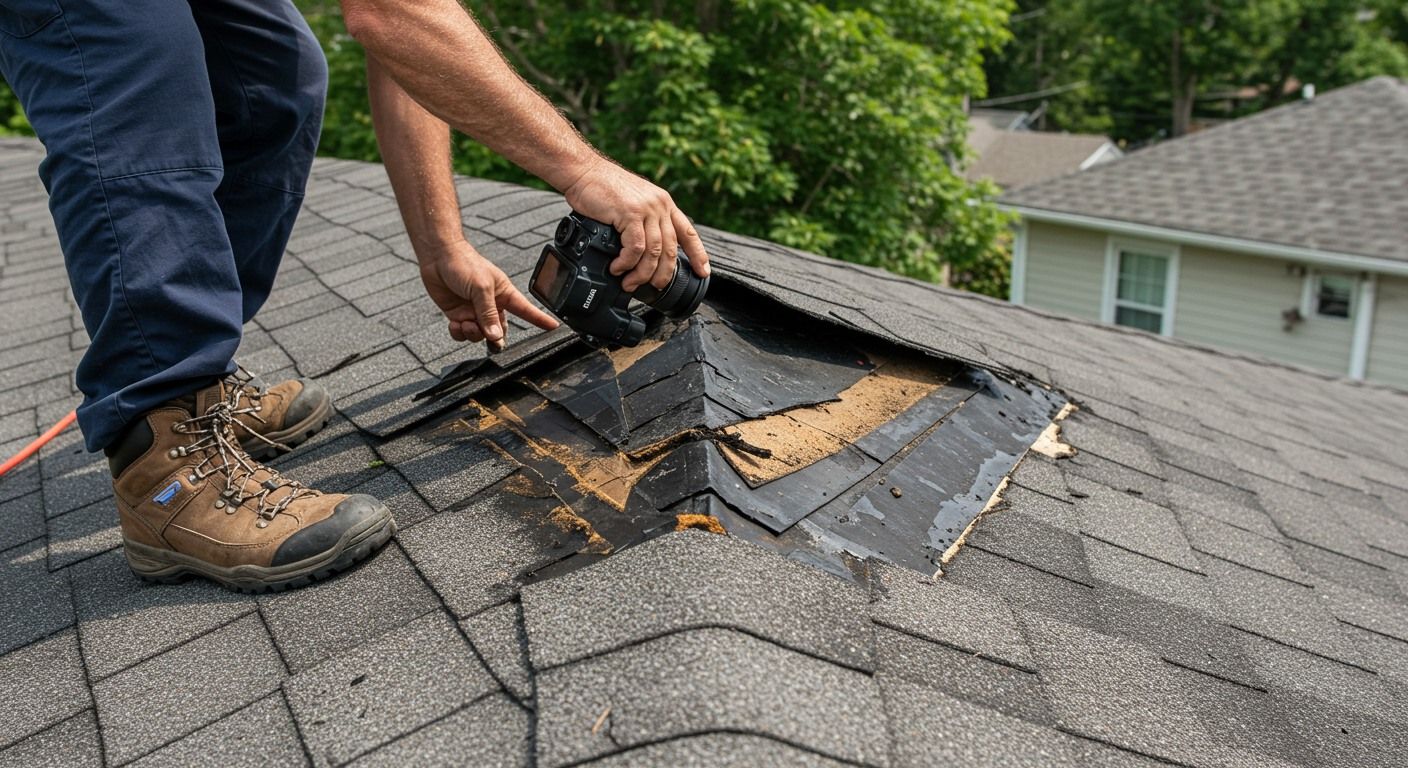
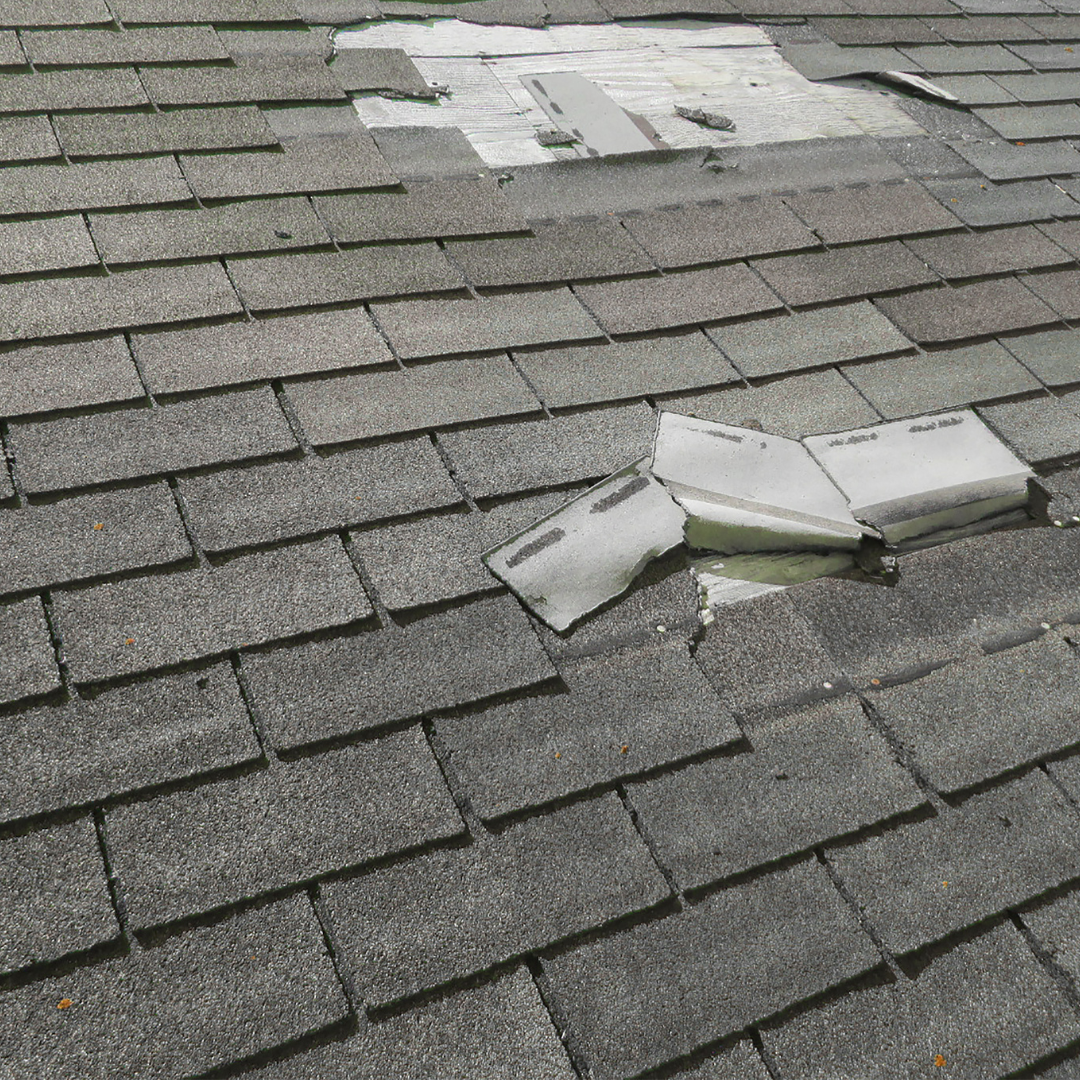
One of the most dangerous myths in Middle Georgia is: "If I don't see a leak, my roof is fine." Hail damage to asphalt shingles is often invisible from the ground and may not cause a leak for 6 to 24 months. When hail hits a shingle, it creates a "bruise." This impact knocks the protective granules loose and fractures the underlying fiberglass mat.
Once those granules are gone, the sun’s UV rays bake the exposed asphalt, causing it to crack and become brittle. Eventually, the "bruise" becomes a hole, and that’s when the leak begins. By the time you see a brown spot on your ceiling, the wood decking underneath may already be rotting.
Navigating the Insurance Claim Process
The period following a major storm in Warner Robins is often a "gold rush" for out-of-state contractors—often called "storm chasers." They knock on doors, promise "free roofs," and often disappear before the job is finished.
Step 1: Contact a Local Expert First
Before calling your insurance company, call a reputable local roofer like American Roofing & Renovation. Why? Because we can provide a professional damage assessment to determine if a claim is even necessary. Filing a claim that gets denied can still count against your insurance record in some cases.
Step 2: File the Claim
If we confirm significant damage, contact your insurance provider. You will be assigned an adjuster who will schedule a time to inspect the roof.
Step 3: The Adjuster Meeting
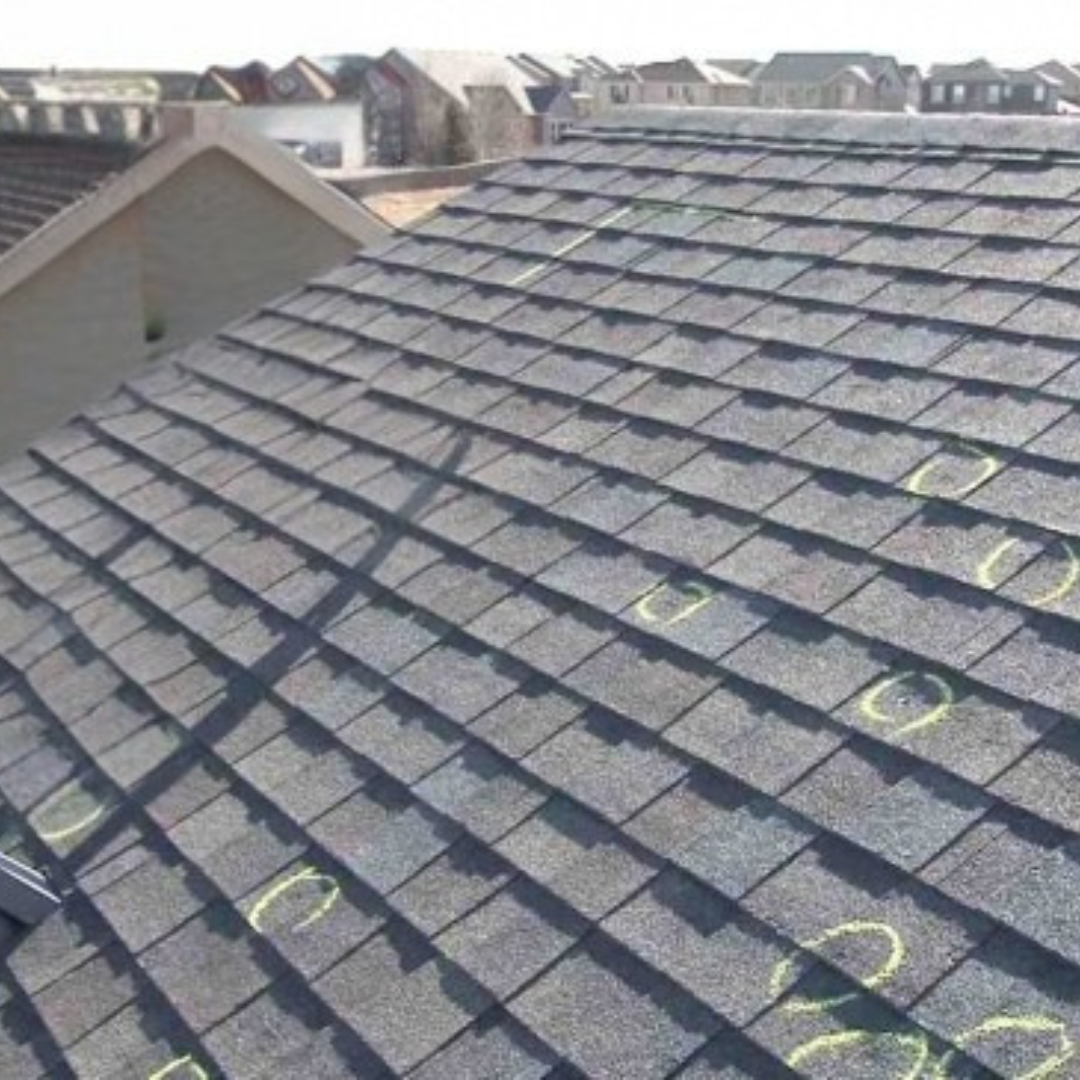
Crucial Tip: Ask your roofer to be present when the insurance adjuster arrives. Insurance adjusters are human; they can miss things. Having a professional roofer there to point out "bruised" shingles or damaged flashing ensures you get a fair and comprehensive assessment.
Why Professional Inspection is Non-Negotiable
A roof is a complex system of ventilation, underlayment, and shingles. A "quick look" from a neighbor or a DIY inspection isn't enough to guarantee your home's safety.
At American Roofing & Renovation, we live and work in Middle Georgia. We know the difference between "weathering" and "storm damage." When we inspect your roof after a hail event, we look for:
- Structural Integrity: Is the roof deck compromised?
- Sealant Failure: Has the wind lifted the shingles, breaking the thermal seal?
- Ventilation Health: Are your ridge vents or turtle vents dented and obstructed?
Your Local Partner in Recovery
Owned by Brandon Clark, American Roofing & Renovation is built on a foundation of integrity and local pride. We aren't here for a quick "storm check"; we’re here to ensure our neighbors in Warner Robins, Macon, and Perry have roofs that will last for decades.
If a hail storm has recently passed through your area, don't wait for the first leak to appear. Take the proactive step to protect your home today.
Schedule Your Free Professional Storm Damage Assessment with American Roofing & Renovation
Call us today at (478) 249-0016 or stop by our office at 103 Pecan Street, Bonaire, GA.