The "Thermal Shock" Factor: Why Warner Robins Temperature Swings Are Killing Your Roof
If you’ve lived in Middle Georgia for any length of time, you know the "Warner Robins Weather Rollercoaster." It’s not uncommon to wake up to a crisp, 45-degree morning in the International City, only to find yourself cranking the AC by 3:00 PM as the mercury climbs toward 80 degrees.
While we locals just call this "Tuesday," your roof experiences these fluctuations as a physical assault. This phenomenon is known as Thermal Shock, and it is one of the leading causes of premature roof aging in Houston County.
At American Roofing & Renovation, we see the aftermath of thermal shock every day. In this deep dive, we’ll explore the science of how temperature swings damage your shingles, why our local climate is particularly brutal, and what you can do to protect your biggest investment.
What Exactly is Thermal Shock?
In the simplest terms, thermal shock is the stress experienced by a material when it undergoes a rapid change in temperature.
Most physical objects expand when they get hot and contract when they get cold. Your roof is no different. During a typical Warner Robins summer day, your asphalt shingles are baked by intense UV rays. Because shingles are dark and designed to absorb heat, the surface temperature of your roof can easily soar to 150°F or higher, even if the air temperature is only 90°F.
When the sun sets, or when a sudden Georgia afternoon thunderstorm rolls through, that temperature can drop by 30 to 50 degrees in a matter of minutes. This rapid cooling causes the shingles to contract quickly. Over time, this constant "tug-of-war" between expansion and contraction weakens the structural integrity of the roofing materials.
The Warner Robins Connection: Why Middle Georgia is "Ground Zero"
You might wonder, “Doesn’t this happen everywhere?” While thermal shock exists in all climates, the specific geography and weather patterns of Warner Robins create a "perfect storm" for roofing stress.
1. The Humidity Factor
In drier climates, the air cools down gradually. In Warner Robins, our high humidity acts as a thermal blanket during the day but can lead to rapid cooling when storms hit. When cold rain hits a 150-degree roof, the shock is instantaneous and violent at a molecular level.
2. High UV Exposure
Being located in the deep South, our UV index is consistently high. UV rays don't just heat the roof; they chemically break down the oils in the asphalt. Once those oils evaporate, the shingles become brittle. Brittle shingles can’t handle the expansion/contraction cycle nearly as well as flexible ones, leading to cracks.
3. "The Concrete Jungle" Effect
As Warner Robins and Bonaire continue to grow, the increase in asphalt roads and closely packed subdivisions creates "urban heat islands." This keeps roof temperatures higher for longer, intensifying the eventual drop when the sun goes down.
5 Signs Thermal Shock is Destroying Your Roof
How do you know if your roof is a victim of thermal shock? Look for these specific symptoms during your next ground-level inspection:
1. Splitting and Tearing
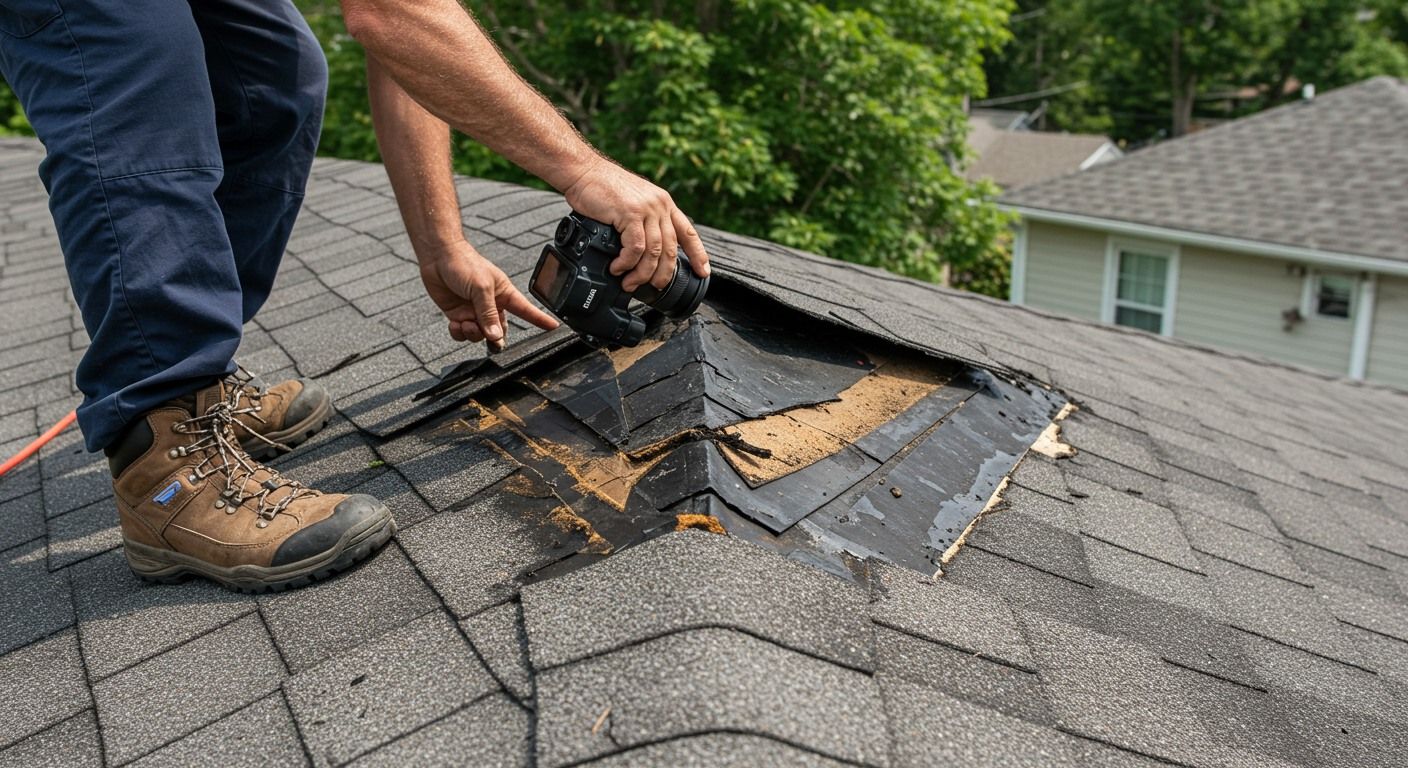
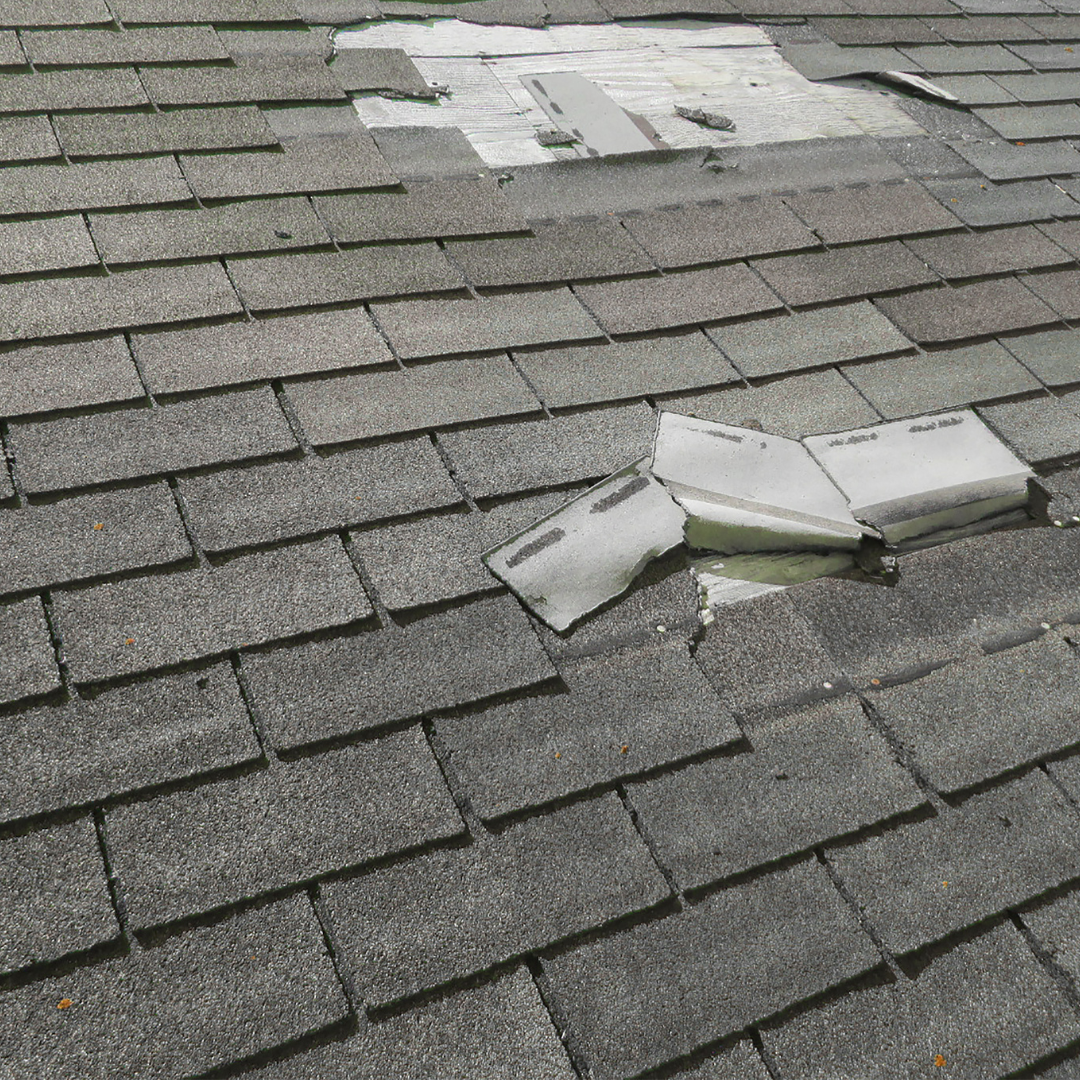
When a shingle is forced to contract too quickly, it may simply snap. These "thermal splits" usually run vertically or horizontally across the shingle. Unlike wind damage, which lifts the shingle, thermal splitting looks like a clean tear in the material itself.
2. Cupping and Clawing
If the edges of your shingles are curling upward (cupping) or the centers are bulging (clawing), it’s often a sign that the shingles have lost their flexibility due to heat stress. Once they take this shape, they become extremely vulnerable to wind uplift during our spring storms.
3. Granule Loss in Gutters
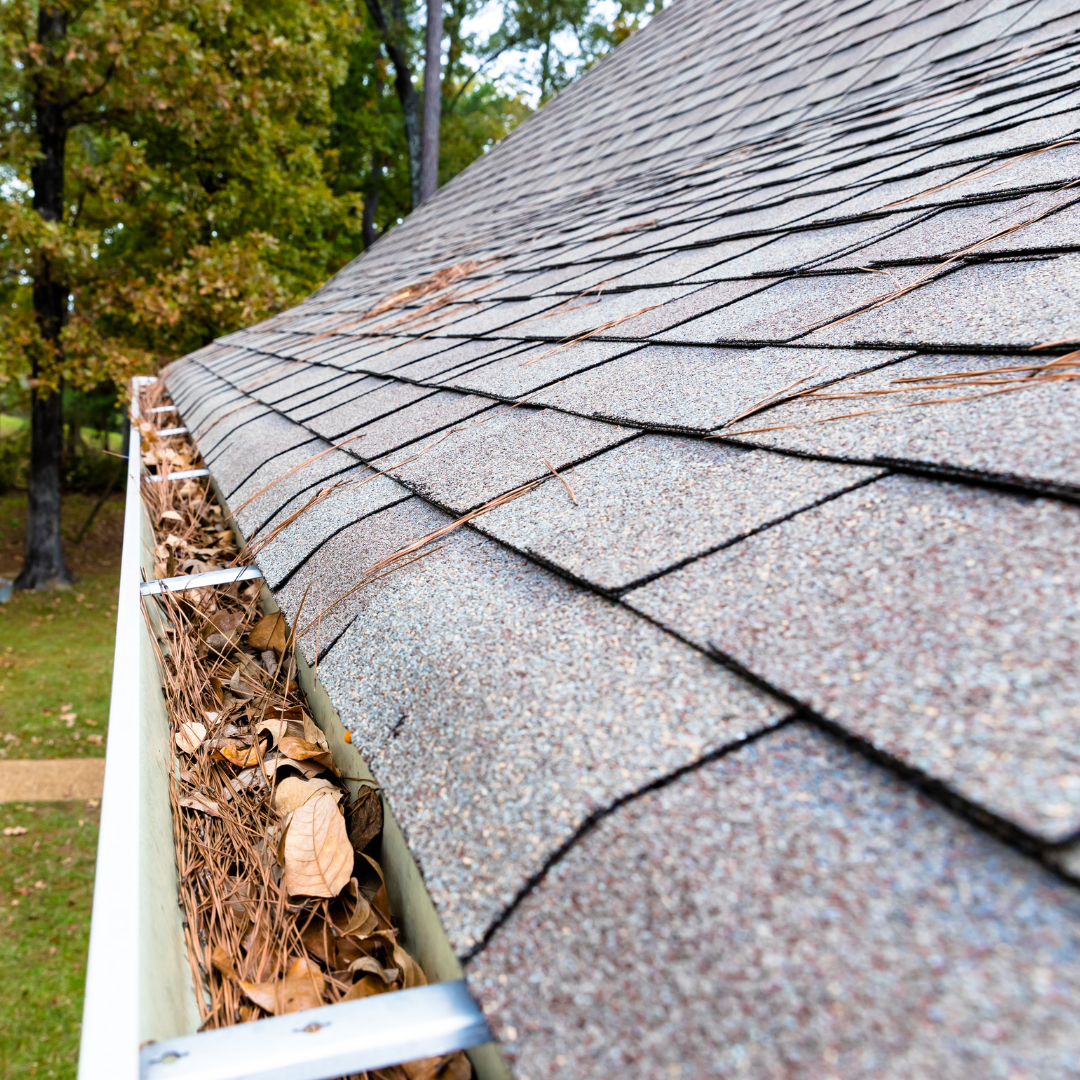
As shingles expand and contract, the bond between the asphalt and the protective granules weakens. If you find what looks like "black sand" in your gutters, your shingles are losing their armor. Without granules, the asphalt is directly exposed to the sun, accelerating the thermal shock cycle.
4. Blistering
When moisture gets trapped inside a shingle during manufacturing or installation, the intense Warner Robins heat causes that moisture to expand into a gas. This creates "blisters" on the surface. Thermal shock can cause these blisters to pop, leaving the roof deck vulnerable to leaks.
5. Flashing Pull-Away
It isn't just the shingles that move. The metal flashing around your chimney and vents expands at a different rate than the asphalt shingles. Frequent temperature swings can cause the sealant between the metal and the shingles to crack and pull away, creating a prime entry point for water.
The Role of Attic Ventilation: Your Roof’s Only Defense
If thermal shock is the disease, proper ventilation is the cure. Many homeowners in Houston County have roofs that are "suffocating."
If your attic isn't properly vented, the heat becomes trapped directly beneath the roof deck. This means your shingles are being "cooked" from both sides—the sun from above and the trapped attic heat from below. A well-ventilated attic allows cool air to enter through the soffits and hot air to escape through the ridge vents.
A properly vented roof can stay up to 20-30 degrees cooler than a poorly vented one. This significantly reduces the "swing" between the daytime high and the nighttime low, lessening the impact of thermal shock.
How American Roofing & Renovation Protects Your Home
At American Roofing & Renovation, we don't just "slap on shingles." We engineer roofing systems designed specifically for the Middle Georgia climate. Here is how we combat thermal shock for our customers:
- Premium Underlayment: We use high-quality synthetic underlayments that provide an extra layer of protection even if the shingles experience minor thermal splitting.
- Advanced Ventilation Calculus: We don't guess. We calculate the exact "Net Free Venting Area" required for your specific square footage to ensure your attic stays cool.
- High-Flexibility Shingles: We partner with manufacturers who produce shingles with higher polymer content, allowing them to remain flexible even after years of exposure to the Georgia sun.
- Local Expertise: Because we are based right here in Bonaire, we know exactly which neighborhoods (from the established ranch homes in Shirley Hills to the new builds in Kathleen) are most susceptible to specific weather patterns.
Don't Let the Weather Win
Thermal shock is a silent killer. It doesn’t make a loud noise like a fallen tree or a hail stone, but it works 365 days a year to degrade your roof’s lifespan. If your roof is more than 12-15 years old, it has already survived thousands of these expansion and contraction cycles.
Is your roof still "flexible" enough to protect your family? Or has the Warner Robins heat turned it into a brittle liability?
Schedule Your "Thermal Stress" Inspection Today
Don't wait for a leak to tell you that thermal shock has won. At American Roofing & Renovation, we offer comprehensive roof assessments to check for splitting, granule loss, and ventilation health.
Would you like us to come out and give your roof a professional check-up? Call us at (478) 328-ROOF or click below to get your free 60-second quote!