The "Pollen Punch": How Middle Georgia Spring Affects Your Roof and Gutters
Spring in Middle Georgia is a bit of a double-edged sword. While the blooming azaleas in Macon and the warming Georgia sun are welcome sights, they are quickly followed by the infamous "Yellow Blur."
For homeowners in Warner Robins and surrounding areas, the thick coating of pine pollen isn't just a headache for your allergies or your car’s paint job. It’s a direct threat to the most expensive component of your home: your roof and gutter system. At American Roofing & Renovation, we call this the "Pollen Punch," and understanding how it affects your home is the first step in preventing thousands of dollars in avoidable repairs.
Table of Contents
- The Science of Pollen Damage
- The "Pollen Sludge" Gutter Threat
- Long-Term Consequences of Neglect
- Your Spring Maintenance Checklist
- Professional Care in Middle Georgia
Why Pollen is More Than Just an Aesthetic Nuisance
Most people see the yellow dust on their shingles and assume the next heavy rain will wash it away. Unfortunately, Middle Georgia’s unique climate—marked by high humidity and rapid temperature swings—makes things a bit more complicated.
The Sticky Science: How Pollen Clings to Asphalt Shingles
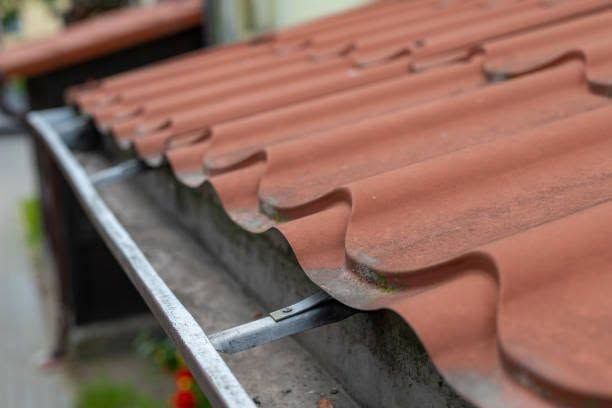
Asphalt shingles have a textured, granular surface designed to reflect UV rays and provide fire resistance. However, this texture is the perfect trap for microscopic pollen grains. When humidity rises—as it often does in Warner Robins—pollen becomes sticky. Instead of blowing off, it "bonds" to the shingles, creating a layer of organic film that is difficult to dislodge.
From Yellow Dust to Black Streaks: The Pollen-Algae Connection
Pollen is organic matter, which means it serves as a primary food source for Gloeocapsa magma. This is the blue-green algae responsible for those unsightly black streaks you see on roofs throughout Houston County. By leaving pollen to sit on your roof, you are essentially "fertilizing" algae and mold growth. Over time, these organisms eat away at the limestone filler in your shingles, causing them to become brittle.
The "Pollen Sludge" Threat to Your Gutter System
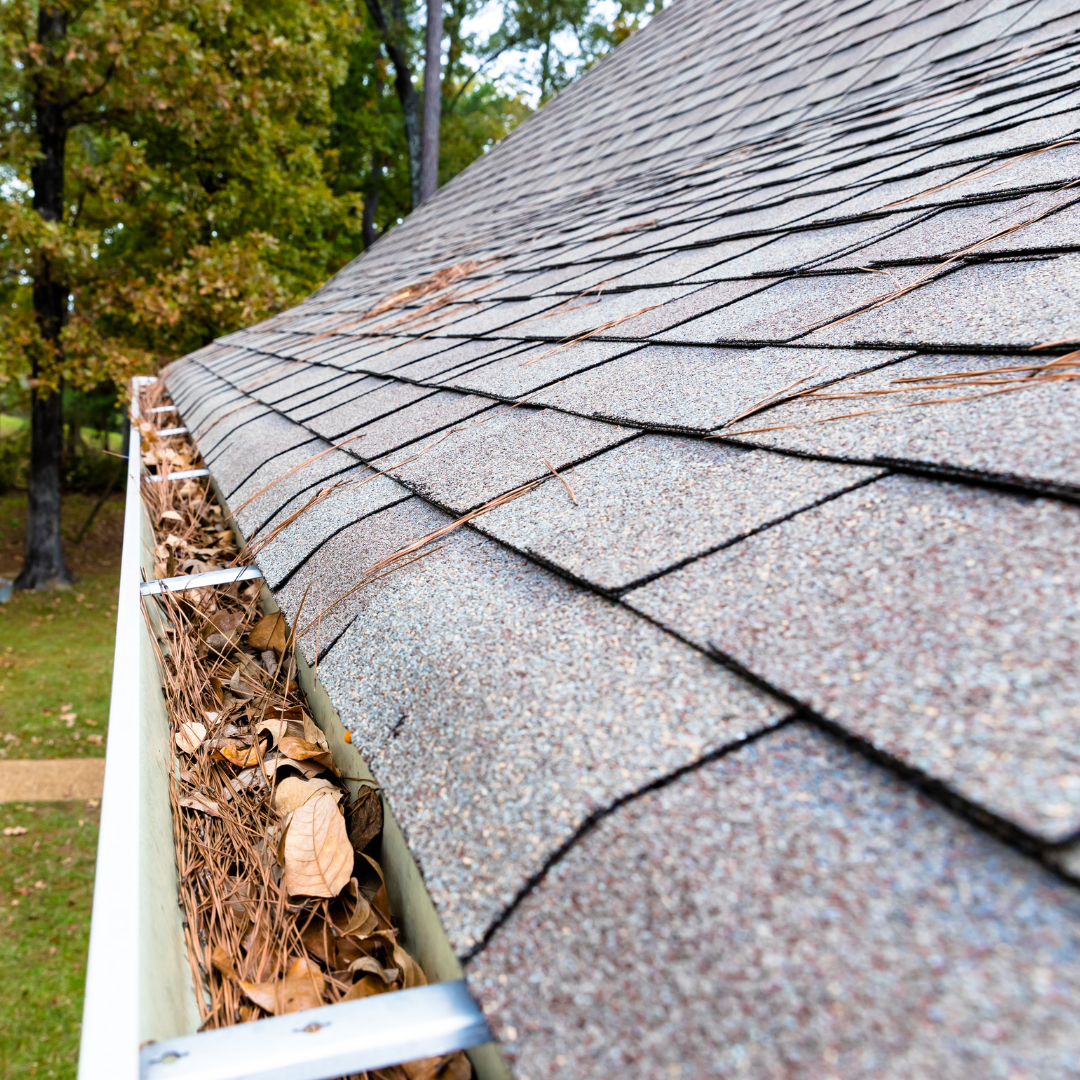
If your roof is the landing zone, your gutters are the collection point. When the spring rains finally arrive, they wash weeks of accumulated pollen into your gutters, creating a thick, yellow "pollen sludge."
How Pollen Clogs Lead to Fascia Rot
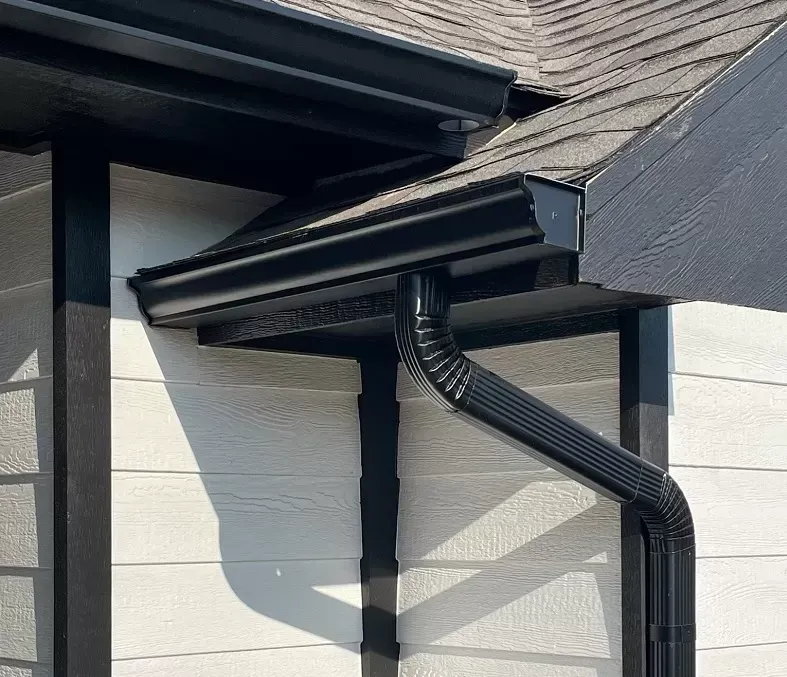
Unlike dry leaves, pollen sludge is heavy and viscous. It settles at the bottom of the gutter trough and in the elbows of downspouts, creating a dam. When water can’t flow, it backs up under the roof's edge (the eave). This leads to:
- Fascia Board Rot: Constant moisture against the wooden boards holding your gutters.
- Foundation Erosion: Water overflowing the sides of the gutters and pooling at your home’s base, which can lead to costly foundation cracks.
The Weight of the Punch: Stress on Gutter Hangers
Wet pollen is surprisingly heavy. A gutter filled with pollen sludge and standing water can weigh hundreds of pounds. This weight pulls the gutters away from the house, warping the hangers and potentially damaging the roofline or pulling the drip edge away from the shingles.
Long-Term Damage: What Happens If You Ignore the Buildup?
Ignoring the "Pollen Punch" in April can lead to a "Roofing Crisis" by July.
Granule Loss and Accelerated Shingle Aging
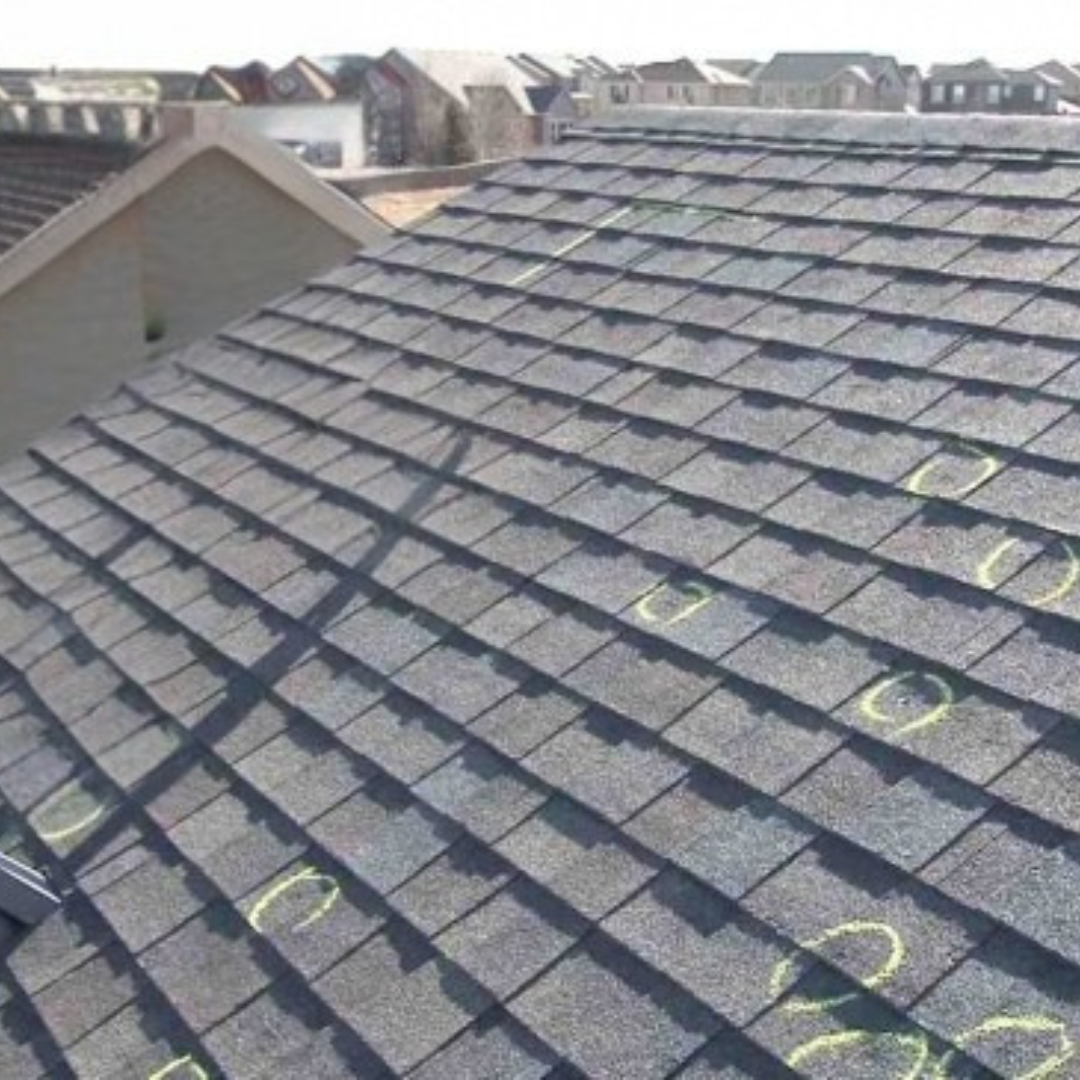
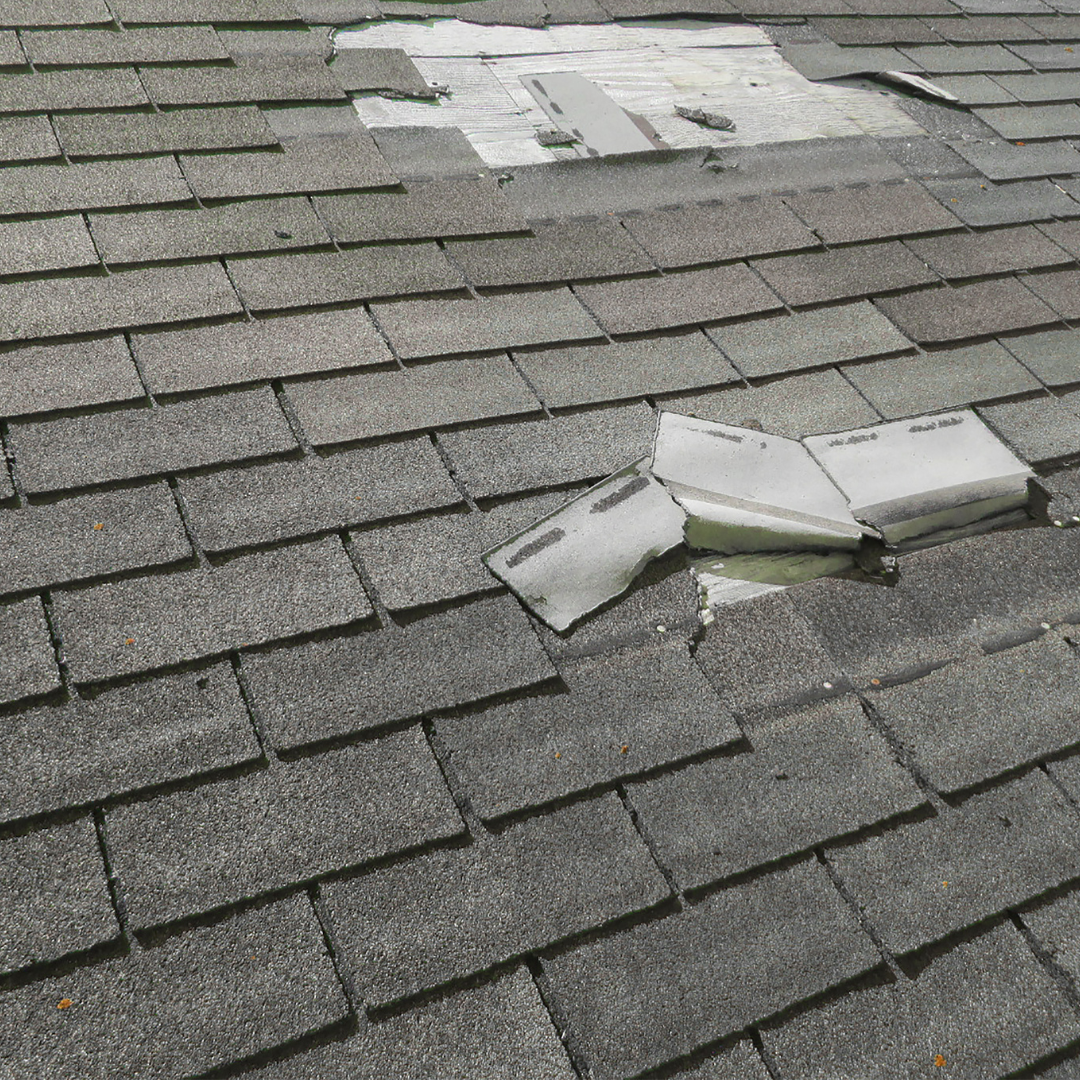
As pollen and the resulting organic growth (moss and algae) take hold, they trap moisture against the shingles. This moisture softens the asphalt, leading to granule loss. Without these protective granules, your shingles lose their ability to withstand the intense Georgia summer heat, leading to premature cracking, curling, and "balding."
Hidden Leaks and Attic Moisture
Clogged gutters and pollen-heavy roof valleys can force water to "wick" upward under the shingles. This often results in slow, hidden leaks that don't immediately show up as a drip from the ceiling but manifest as mold or mildew in your attic insulation, damaging your home's air quality and energy efficiency.
Your Spring Maintenance Checklist: Protecting Your Middle Georgia Home
Preparation is significantly cheaper than restoration. Here is how you can protect your property this season:
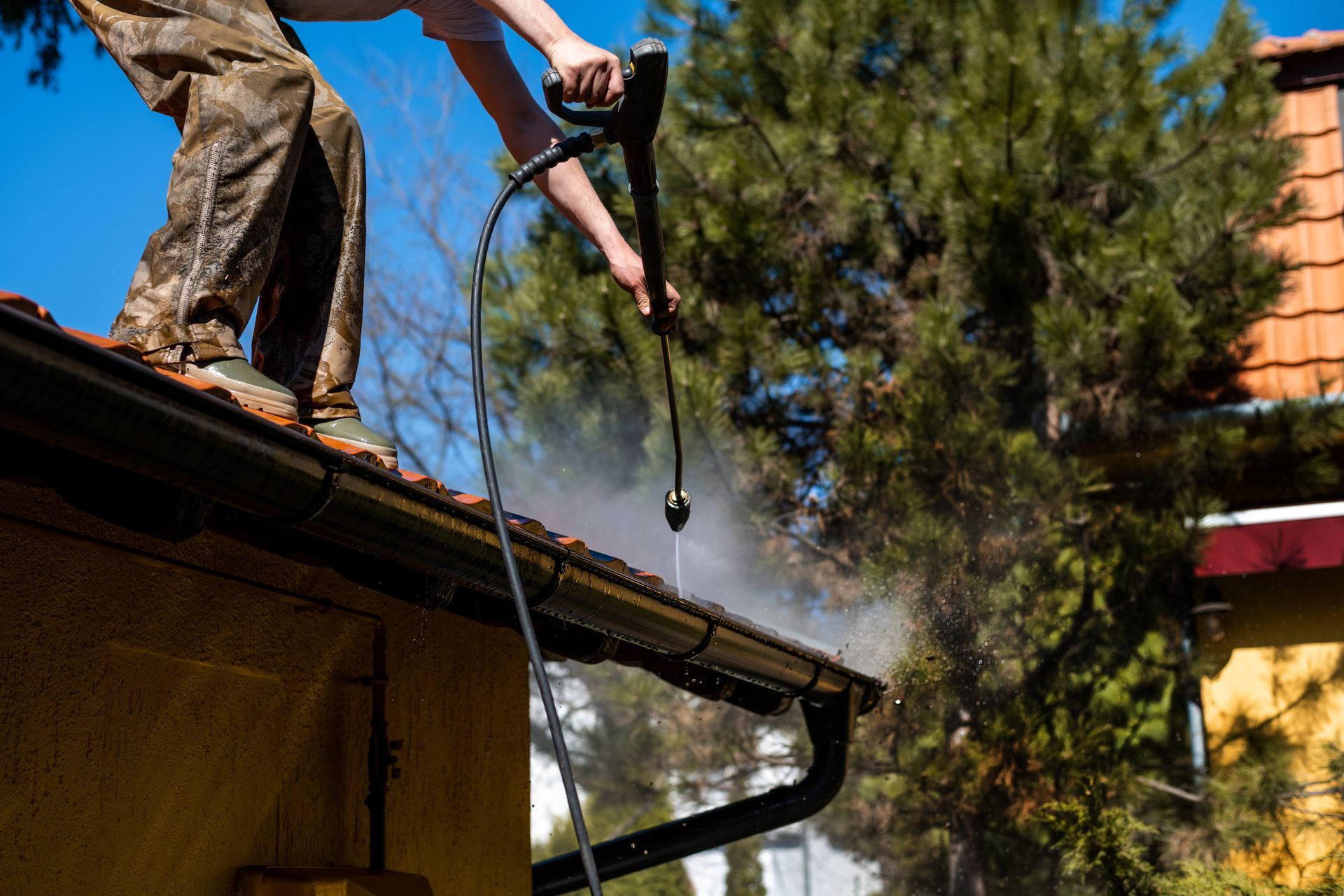
- Professional Gutter Flushing: Don't just scoop out the leaves. Ensure your gutters are flushed with water to remove the fine pollen silt that blocks downspouts.
- Clear the Valleys: The "V" sections of your roof collect the most debris. Ensure these are clear so water can transition quickly to the gutters during heavy spring thunderstorms.
- Tree Trimming: Trim overhanging branches at least 6–10 feet away from the roof to reduce the direct "pollen drop" and prevent squirrels from accessing your roof.
- Install Gutter Guards: Quality guards can prevent pine needles and large debris from mixing with pollen to form that dreaded sludge.
Why Choose American Roofing & Renovation for Your Spring Tune-Up?
At American Roofing & Renovation, we aren't just contractors; we’re your Middle Georgia neighbors. Led by owner Brandon Clark, our team understands the specific challenges of the Warner Robins climate—from the 90% humidity days to the heavy pine pollen seasons.
We offer:
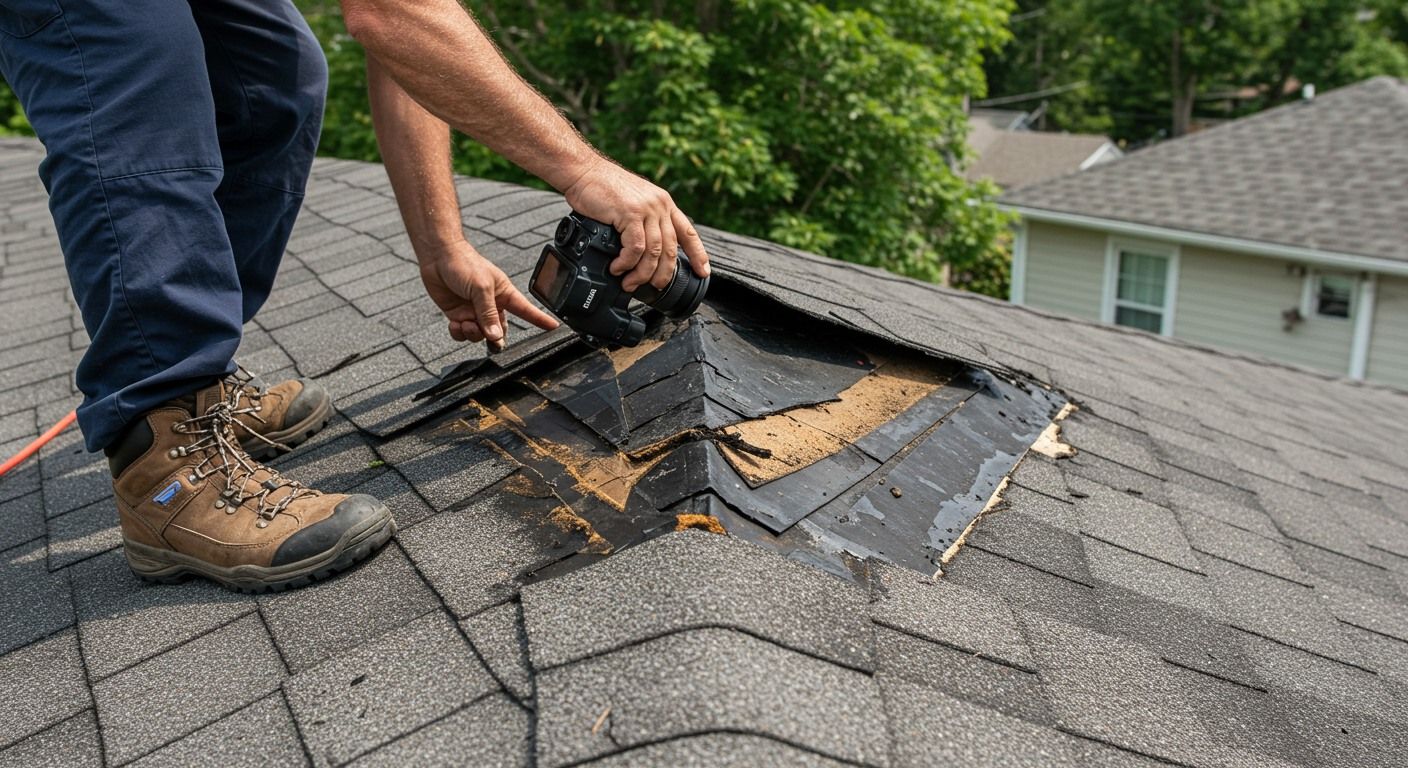
- Complimentary Roof Assessments: We’ll identify if the "Pollen Punch" has caused underlying damage or if your shingles are at risk.
- Premium Materials: As a CertainTeed SELECT ShingleMaster™, we use materials designed to resist the algae growth that pollen fuels.
- Local Expertise: Serving Warner Robins, Macon, Perry, and Bonaire with integrity and transparent communication.
Protect Your Home Today
Don't let a yellow spring turn into a leaky summer. Protect your investment with a team that knows Georgia roofs inside and out.
Call American Roofing & Renovation at (478) 249-0016 or visit our office at 109 Park Avenue, Warner Robins, GA, to schedule your inspection.